Miloh Merah

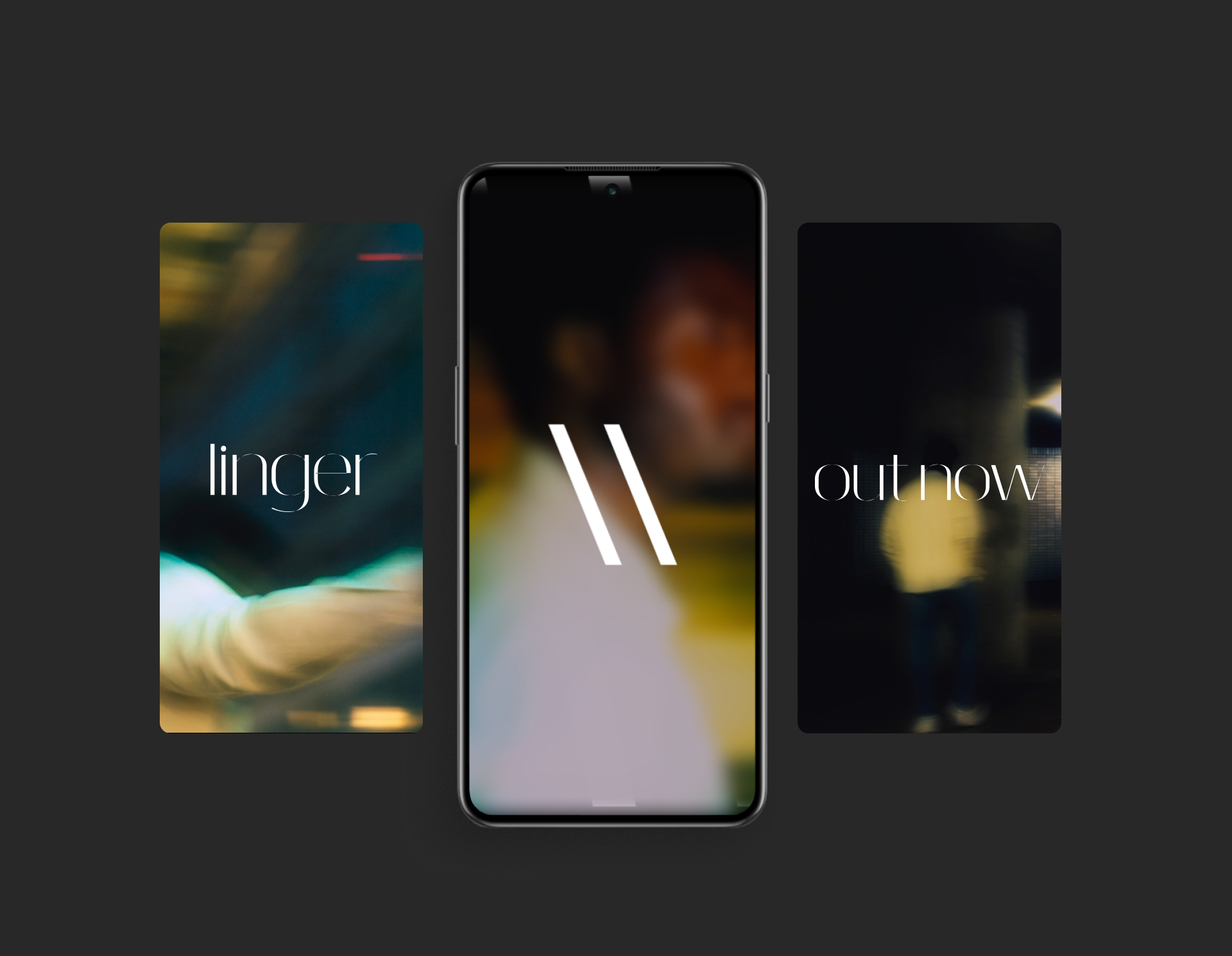
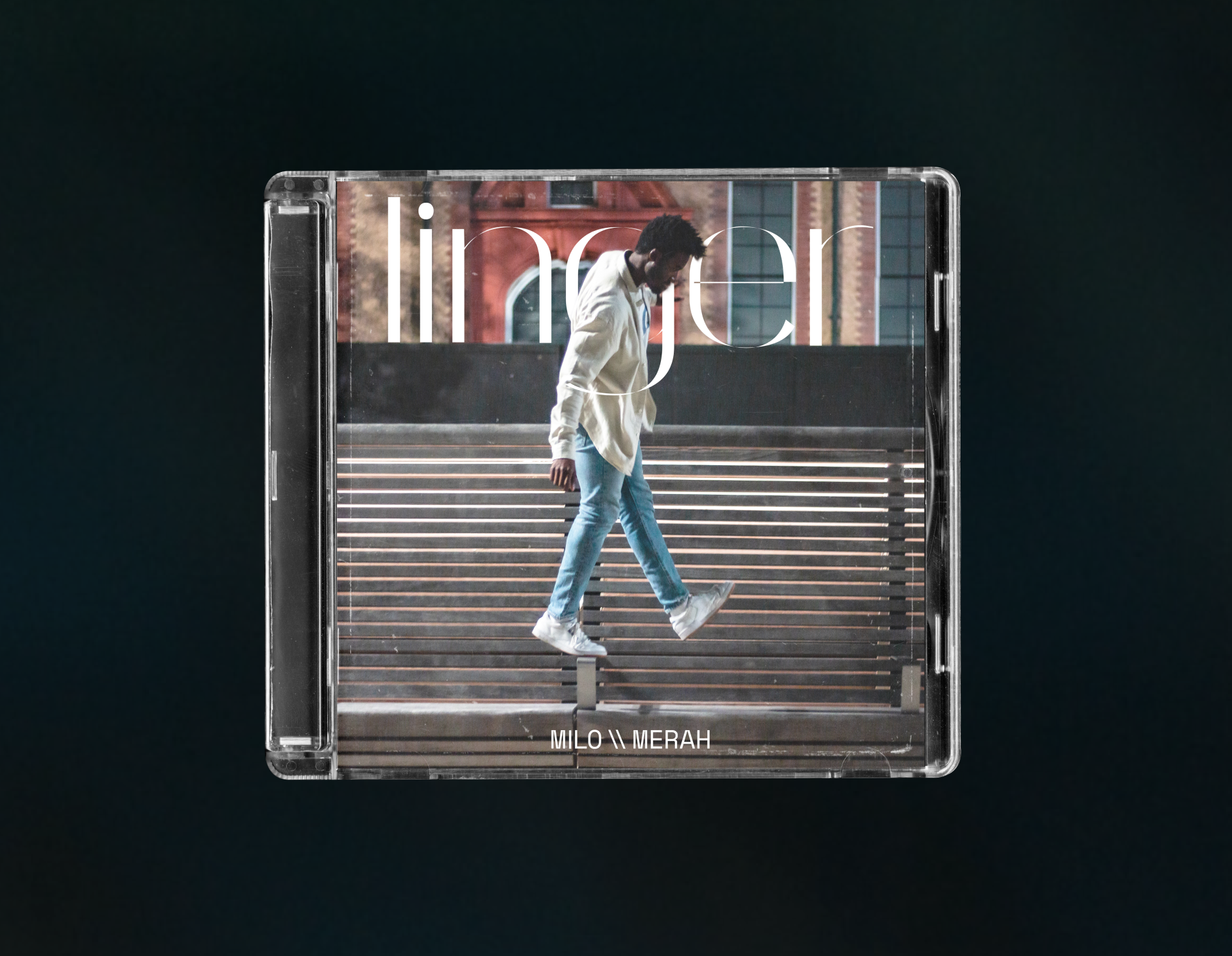
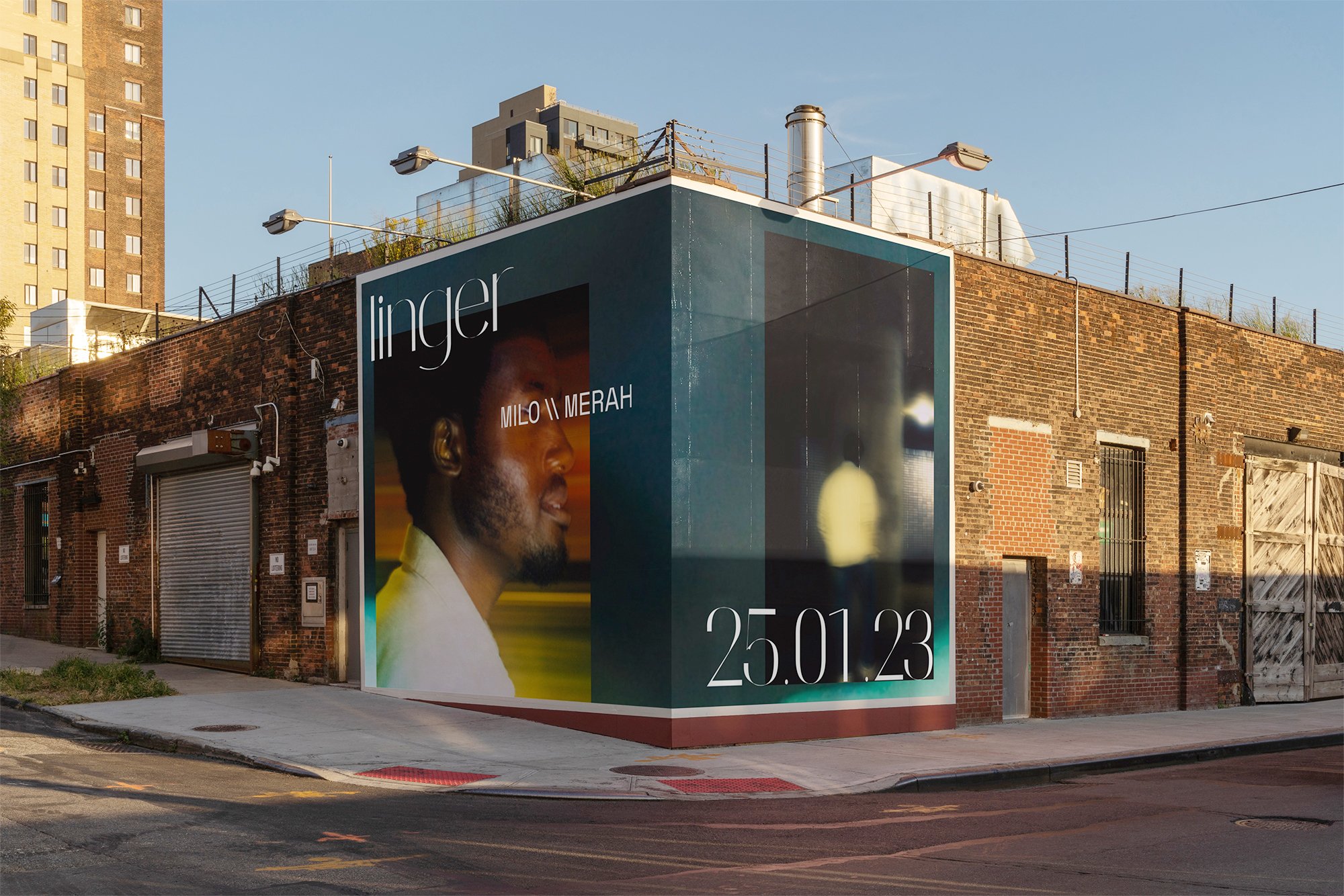
A simple, evolving identity using typography, photography, and AI to disrupt perception and explore emotional fragility.
Milo Merah is an emerging London-based artist whose work explores human emotion and the search for invisible truths around life and love.
While keeping it typographical and simple, the identity was conceived as a flexible system rather than a fixed mark. the result is a simple yet expressive core element, the double backslash (“\\”), which can act as an element of disruption that interrupts perception.
This symbol became central to the logo and recognition system, as it is meant to interact with or partially obscure Milo’s portrait and visually reflect themes of emotional distance, uncertainty, and the pursuit of the unknown.
The system was designed to evolve alongside the music, allowing each release to reinterpret the same visual language while remaining immediately recognizable, and allowing new photography and artworks to always stand out without interfering with the identity.
Artificial intelligence as a creative bridge to physical distance
+ Artificial intelligence, art direction
As the collaboration was developed entirely at a distance, with limited resources and minimal opportunities to meet in person, AI became both a creative and practical tool, helping bridge physical distance while meeting the artistic and production needs of the project.
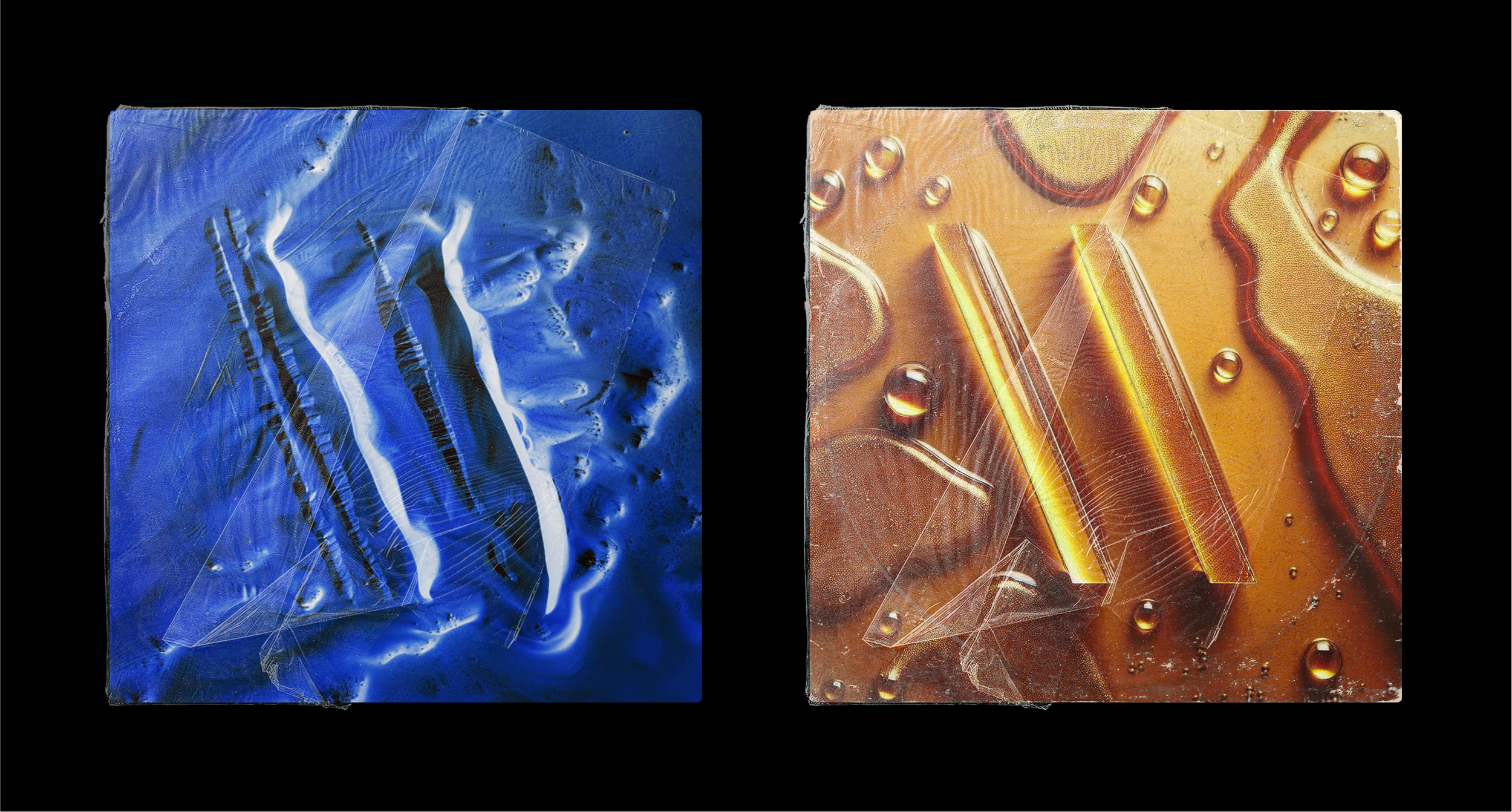
For a series of three singles, I used AI-generated imagery in dialogue with photography and graphic elements to explore layered realities and visual ambiguity, aligning with the conceptual meaning of the backslash as a barrier to clear perception.
The backslashes act as consistent anchors across all covers, ensuring cohesion while allowing each release to express a distinct mood. This approach enabled a high level of visual experimentation without the logistical demands of traditional production, demonstrating how emerging technologies can support remote collaboration, creative exploration, and client needs – when used intentionally and within a clearly defined system.
Throughout this process, AI was in fact treated as a supporting tool rather than an autonomous solution, in combination with human judgment, art direction, and critical thinking – not as a shortcut to final, polished results. This hybrid approach allowed experimentation to remain grounded in design rationale, reinforcing the idea that AI is most effective when guided by clear systems, creative direction, and human insight.

Next project
+
aquí
Previous project
+